

Compliance Built for Shopify POS Retail Workflows
How Shopify POS Sales Move Into Jordan e-Invoicing
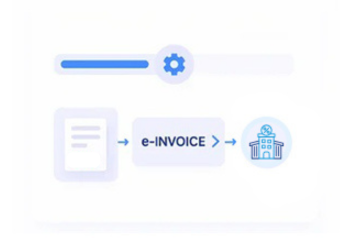
- Retail Sale Is Completed: Products, quantities, customer information, and transaction details are recorded when a purchase is finalized through Shopify POS.
- Transaction Information Is Collected: Relevant product, order, tax, and customer data is gathered from the associated retail records.
- Invoice-Relevant Activity Is Identified: Eligible sales transactions are selected when electronic invoice processing is applicable.
- Invoice Content Is Prepared: Required retail information is organized into the appropriate Jordan electronic invoice structure.
- Compliance Information Is Checked: Applicable invoice fields are reviewed against ISTD requirements before electronic processing.
- JoFotara Processing Follows: Validated documents continue through JoFotara while the original Shopify transaction remains identifiable.
What Does the Shopify POS Connector Enable?
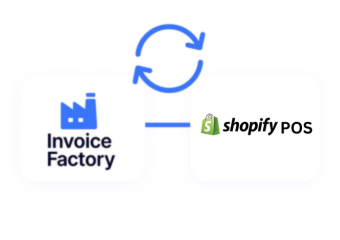
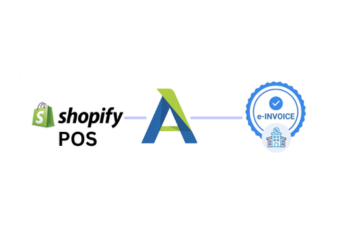
Shopify POS is built around fast retail transactions rather than traditional accounting workflows. Advintek bridges that gap by taking relevant point-of-sale information and connecting it with Jordan electronic invoicing, helping retailers maintain continuity between what happened at the checkout and the invoice created afterward.
- Converts retail transaction data into invoice records
- Connects products with completed sales
- Maintains customer purchase references
- Supports store-based invoice workflows
Building Stronger Invoice Control Around Shopify POS Sales
- Checkout-to-Document Continuity: Keeps the completed checkout transaction connected with its resulting electronic invoice instead of treating the invoice as a separate record.
- Product Variant Recognition: Preserves relevant product and variant information so invoice documentation reflects the merchandise actually sold.
- Multi-Store Transaction Organization: Helps retailers distinguish invoice activity originating from different Shopify POS locations and store operations.
- Customer Purchase Context: Retains applicable customer information alongside sales records when customer identification is required for invoice processing.
- Retail Adjustment Handling: Supports connected invoice workflows when returns, corrections, or other transaction changes affect the original retail record.
- Daily Sales Reconciliation: Gives finance teams a clearer relationship between point-of-sale activity and electronic invoices during routine transaction review.
Shopify POS Features Supporting Jordan e-Invoice Operations
Retail Transaction Verification
Reviews relevant sale, product, quantity, customer, and tax information before eligible Shopify POS transactions enter invoice processing.
Store Transaction Monitoring
Helps teams identify the Shopify POS location and retail transaction associated with processed electronic invoice records.
Regulatory Process Maintenance
Advintek keeps the Shopify POS integration fully aligned with applicable ISTD and JoFotara process requirements.
Keeping Shopify POS Sales Connected With Jordan Invoice Records
A retail invoice can depend on more than the final sale total. Product variants, quantities, store information, customer details, and transaction adjustments may all contribute to the record. Advintek helps preserve those details as eligible Shopify POS activity moves into Jordan’s electronic invoicing process.
- Retains checkout transaction references
- Preserves product and customer context
- Supports store-level transaction identification
- Connects retail activity with invoice documentation
for Jordan E-Invoicing Integration
Advintek connects Shopify POS sales with Jordan e-invoicing while preserving retail transaction information.
Connect Retail Checkout Activity With Jordan e-Invoicing.
Ready e-Invoice System
Frequently Asked Questions Shopify POS e-Invoicing Jordan
Can Shopify POS checkout transactions be used for Jordan electronic invoices?
Yes. Eligible completed retail transactions can provide sales, product, customer, tax, and payment-related information required for invoice preparation. Relevant Shopify POS transaction data can enter the Jordan e-invoicing workflow, helping retailers process applicable sales while maintaining important commercial details associated with each completed checkout transaction.
Does the integration support product variants sold through Shopify POS?
Yes. Relevant product, variant, quantity, and item information can be carried into invoice processing when applicable. This helps the resulting Jordan e-invoice correspond more closely with the actual retail transaction, while maintaining useful product context from Shopify POS and supporting structured processing of eligible sales information.
Can retailers distinguish invoices by Shopify POS location?
Yes. Where location information forms part of the Shopify POS transaction records, relevant store or location references can remain associated with invoice activity. This can help retailers distinguish transactions across locations, support operational review, and maintain clearer context when processing eligible retail sales through the Jordan e-invoicing workflow.
What happens when a Shopify POS sale is later adjusted?
Applicable transaction changes, including returns, corrections, or other adjustments, can be reflected within the connected workflow according to the underlying transaction and applicable Jordan e-invoicing requirements. Relevant information can remain associated with the original sale, helping retailers maintain clearer transaction records when processing subsequent changes.
Can Shopify POS work with a retailer's separate accounting platform?
Yes. Advintek can connect Shopify POS activity with broader ERP, accounting, inventory, or financial environments where required. This allows eligible retail transaction information to move between relevant systems and participate in a coordinated Jordan e-invoicing process while retailers continue using their established operational and accounting platforms.