

Jordan e-Invoicing for QuickBooks
Get Started
Everyday Accounting Into Jordan Compliance
Compliance That Fits QuickBooks Users
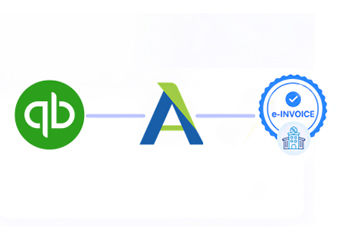
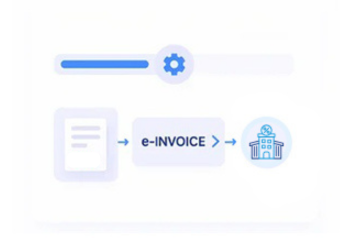
How QuickBooks Information Reaches Jordan e-Invoicing
- Invoice Activity Begins: Your team creates or manages an applicable invoice through its normal QuickBooks accounting workflow.
- Financial Details Are Gathered: Relevant customer, product, service, amount, tax, and invoice information is collected from the applicable transaction.
- Invoice Fields Are Organized: Advintek maps the necessary QuickBooks information into the structure required for Jordan electronic invoicing.
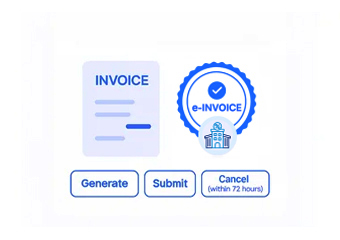
- The Record Goes Through Validation: Applicable information is reviewed before the invoice continues through the electronic processing workflow.
- JoFotara Processing Takes Place: The prepared document moves through the applicable Jordan process in accordance with relevant requirements.
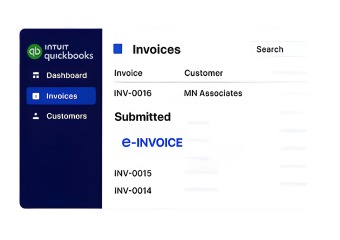
- Accounting Records Stay Connected: The electronic invoice remains associated with relevant QuickBooks information to support later financial review.
QuickBooks and Jordan Invoicing Without Extra Complexity
Your accounting team should not need to duplicate its work simply because electronic invoicing is introduced. Advintek connects eligible QuickBooks records with the Jordan process, helping your existing accounting workflow remain useful throughout invoice processing.
- Keep familiar QuickBooks workflows intact
- Reduce repeated invoice information entry
- Connect financial records with invoices
- Simplify everyday compliance activities
Why QuickBooks Users Choose Advintek
- Customer Billing Information: Relevant customer names, billing details, and account information can support the identification of customers on applicable electronic invoices.
- Sales Transaction Details: Products, services, quantities, descriptions, and amounts from eligible transactions can provide the information needed to prepare electronic invoice records.
- Tax and Charge Information: Applicable taxes, discounts, fees, and other charges can be considered when assembling the final electronic invoice information.
- Credit and Adjustment Records: Relevant credits, corrections, and invoice adjustments can be incorporated where they affect the applicable electronic document.
- Recurring Billing Information: Businesses using recurring invoices can connect eligible repeat billing activity with the appropriate Jordan electronic invoicing workflow.
- Accounting Reference Records: Applicable QuickBooks records can provide supporting context when finance teams review invoices against their wider accounting information.
Everything You Need for Jordan E-Invoicing in One Place
Review Important Invoice Details
Checks applicable information before eligible QuickBooks invoices move further into Jordan's electronic invoice processing.
Match Accounting And Invoices
Maintains the connection between the electronic document and relevant QuickBooks information for easier financial checking.
Monitor Processing Activity
Provides useful visibility into invoice processing so applicable records requiring attention can be identified more easily.
Designed for Businesses Using QuickBooks in the Jordan
Advintek connects eligible QuickBooks accounting activity with Jordan electronic invoices, helping businesses maintain clearer financial relationships between sales, customer records, adjustments, and compliance documentation.
- Faster review of invoice records
- Clearer links between transactions
- Better accounting information continuity
- Easier Jordan compliance oversight
Compliance Should Not Create Extra Accounting Work
Advintek connects eligible QuickBooks invoices with Jordan e-invoicing, adding structured compliance to accounting workflows.
Connected to QuickBooks. Managed through Advintek.
Ready e-Invoice System
Frequently Asked Questions QuickBooks e-Invoicing Jordan
Can recurring QuickBooks invoices be processed electronically?
Yes. Eligible recurring billing activity can be incorporated into the Jordan e-invoicing workflow when the resulting invoice falls within the applicable process. Relevant recurring invoice information from QuickBooks can move through structured processing, helping businesses maintain consistent billing operations while supporting applicable compliance requirements for recurring customer transactions.
Will customer information from QuickBooks be available during invoice preparation?
Relevant customer and billing information maintained in QuickBooks can support identification and preparation of applicable e-invoices. This may include customer details and associated billing information required for processing, helping businesses maintain consistent records while moving eligible invoice activity through the Jordan e-invoicing workflow without unnecessary duplicate data entry.
Does QuickBooks need to be replaced for Jordan compliance?
No. Advintek is designed to connect eligible QuickBooks activity with the Jordan e-invoicing process, allowing businesses to retain their existing accounting environment. Teams can continue using familiar QuickBooks workflows while applicable invoice information is connected to the relevant compliance process for structured e-invoice preparation and processing.
Can finance teams reconcile electronic invoices with QuickBooks records?
Yes. Maintaining the relationship between the e-invoice and relevant QuickBooks information can make financial review and reconciliation easier for accounting teams. Connected transaction details provide useful context when comparing invoice activity with accounting records, helping teams identify differences, review processed documents, and complete reconciliation activities more efficiently.
How does Advintek support Jordan-specific requirements?
Advintek maintains the QuickBooks integration around applicable ISTD and JoFotara processes, helping businesses manage Jordan e-invoicing through a connected workflow. Eligible QuickBooks invoice information can be incorporated into the relevant processing stages, allowing organizations to support compliance while maintaining connections with their established accounting activities and transaction records.