

Why SAP Enterprises Choose Advintek for Jordan e-Invoicing
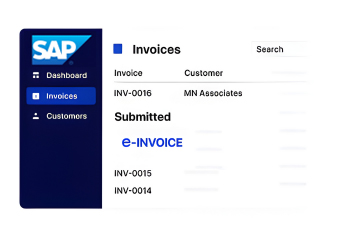
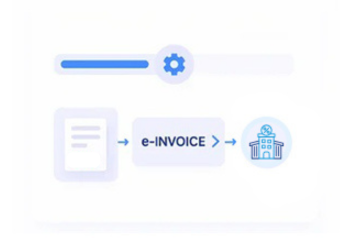
How SAP Enterprise Transactions Enter Jordan’s e-Invoice Workflow
- Business Activity Originates: Sales, procurement, services, materials, and financial activities are recorded within applicable SAP business processes.
- Relevant Documents Connect: Customer, supplier, order, delivery, material, tax, and accounting information is brought together from appropriate SAP records.
- Invoice Candidates Are Identified: Transactions reaching the applicable billing stage are selected for electronic invoice processing.
- Invoice Structure Is Prepared: Relevant SAP information is transformed into the required Jordan electronic invoice format.
- Regulatory Information Is Reviewed: Required fields are checked against ISTD requirements before the document proceeds.
- Electronic Processing Continues: Validated invoices move through JoFotara while references to originating SAP transactions remain available.
What Advintek Adds to SAP Enterprise Invoice Processing
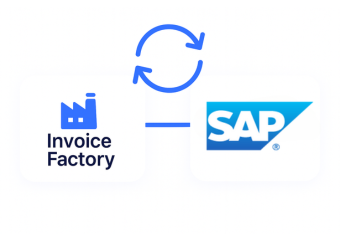
SAP environments span multiple departments and business functions, meaning invoice information may originate from different operational activities. Advintek connects relevant SAP records with Jordan electronic invoicing, preserving relationships between transactions, source documents, and finalized invoices.
- Connects finance with operational records
- Links procurement and supplier information
- Maintains material and service references
- Supports complex enterprise structures
How SAP Business Functions Improve Jordan Invoice Coordination
- Order-to-Billing Continuity: Carries relevant sales order information forward when completed commercial activity reaches the invoicing stage.
- Delivery-Based Documentation: Maintains connections between applicable delivery records, customers, and invoices generated from fulfilled business activity.
- Procurement-to-Finance Visibility: Helps organizations retain relationships between purchasing transactions, suppliers, and resulting financial documentation.
- Service Transaction Handling: Supports invoice workflows involving services where business activity originates outside conventional product-based sales processes.
- Organizational Structure Awareness: Preserves applicable company, plant, business area, and organizational references surrounding invoice-producing transactions.
- Enterprise Record Reconciliation: Makes source SAP transactions easier to identify when finance teams review electronic invoices against broader business records.
What SAP Provides for Jordan Management Solution
Cross-Module Data Validation
Reviews relevant customer, supplier, material, service, tax, and accounting information before SAP transactions enter e-invoice processing.
Enterprise Document Traceability
Helps teams connect processed invoices with SAP documents and business activities from which they originated.
Regulatory Process Maintenance
Advintek keeps the SAP integration aligned with ISTD and JoFotara process requirements for compliant invoice processing workflows.
How Advintek Keeps SAP Records Connected With Jordan Invoices
SAP transactions can pass through multiple stages before becoming finalized invoices, connecting sales, deliveries, materials, customers, procurement, and financial records. Advintek preserves these relationships during Jordan e-invoicing, supporting clearer transaction traceability.
- Connects source documents with invoices
- Preserves operational transaction context
- Supports finance and procurement records
- Maintains enterprise-level document relationships
Connect SAP to JoFotara With Confidence
Move eligible SAP transactions into Jordan’s electronic invoicing workflow with fewer manual corrections and smoother processing.
Keep enterprise records connected through Advintek’s Jordan compliance.
Ready e-Invoice System
Frequently Asked Questions About SAP Jordan e-Invoicing
Which SAP business transactions can contribute to Jordan e-invoices?
Depending on the configured SAP environment, relevant sales, billing, service, procurement, material, customer, and financial transactions can contribute information to electronic invoice processing. Advintek helps organize applicable transaction data while maintaining relationships between source SAP records and resulting Jordan e-invoices, supporting consistent processing across connected enterprise workflows and accounting operations.
Can SAP delivery information remain connected with invoices?
Yes. Where delivery activity forms part of the invoice-producing transaction, relevant delivery and material references can remain associated with the resulting electronic invoice. Advintek helps preserve these operational relationships, allowing teams to connect invoice documents with corresponding SAP delivery records, materials, quantities, and fulfillment activity during review and reconciliation.
How does the integration handle SAP organizational structures?
Applicable company, business unit, plant, and other organizational references can be retained so invoice records remain connected with their originating SAP business context. Advintek helps maintain these ERP relationships throughout processing, supporting clearer identification of the responsible organizational unit and helping finance teams review invoices according to existing SAP structures.
Can SAP procurement activity be connected with electronic invoicing?
Relevant supplier and purchasing information can enter the workflow when procurement-related transactions generate applicable invoice documentation within the connected business process. Advintek helps carry appropriate SAP purchasing references forward while preserving links between suppliers, purchase transactions, materials, and resulting invoice records for accounting review and transaction-level reconciliation.
Does Advintek replace existing SAP financial workflows?
No. Advintek connects eligible SAP transaction information with Jordan electronic invoicing while allowing organizations to continue using their established SAP business and financial processes. Relevant invoice data can move through the connected workflow without changing core ERP operations, helping finance teams maintain familiar transaction handling, accounting structures, and source records.