

Compliance That Fits E-Freight ERP Users
How Jordan e-Invoicing Works Through E-Freight EFC-ERP Workflows
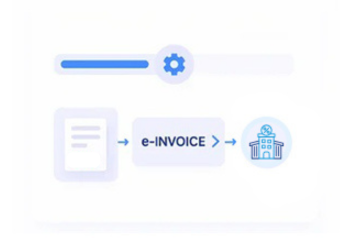
- Capturing Freight Transactions: When shipment billing activities are completed in EFC-ERP, Advintek collects invoice-related information for processing.
- Checking JoFotara Requirements: Invoice data is reviewed against ISTD’s JoFotara requirements to confirm required fields and document details.
- Preparing Freight Invoice Data: Shipment information, customer details, and billing records are structured into the required invoice format.
- Applying Submission Details: Required invoice references and business information are prepared before sending the document for processing.
- Processing Through JoFotara: Completed freight invoices are submitted through Jordan’s invoicing platform while monitoring submission status.
- Maintaining Shipment Records: Finalized invoices remain linked with EFC-ERP freight records for future reference and operational review.
What Is Advintek's Jordan e-Invoice Connector for E-Freight EFC-ERP?
E-Freight EFC-ERP manages freight operations, shipment billing, accounting, and transportation workflows, while Advintek connects its invoice processes with Jordan’s JoFotara requirements for structured compliance.
- Connects freight invoices with JoFotara processing
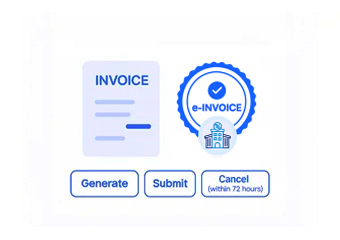
- Converts EFC-ERP billing data into compliant invoices
- Maintains links between shipments and invoice records
- Supports transportation and logistics operations
Why E-Freight EFC-ERP Users Rely on Advintek
- Freight Billing Continuity — Invoice processing works alongside existing shipment and logistics activities without affecting operational workflows.
- Accurate Shipment Documentation — Billing information remains aligned with freight records throughout the invoice lifecycle.
- Simplified Logistics Compliance — Teams can manage e-invoicing requirements through a connected freight workflow.
- Reduced Manual Handling — Automates invoice preparation steps between freight transactions and submission.
- Improved Shipment Visibility — Businesses can follow invoice progress while maintaining connections with logistics records.
- Reliable Document Processing — Structured validation supports accurate invoice submissions.
Everything You Need for Jordan E-Invoicing in One Place
Real-Time Validation Feedback
Reviews billing information against EFC-ERP shipment records to identify missing details before invoice submission.
Centralized Freight Dashboard
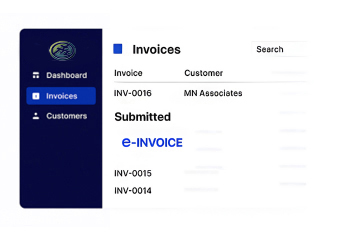
Provides visibility into invoice activities, shipment billing, and e-invoicing progress across freight operations.
Continuous Compliance Support
Advintek maintains the EFC-ERP integration according to ISTD and JoFotara process requirements.
Jordan e-Invoicing Compliance Across E-Freight EFC-ERP Operations
Freight organizations using E-Freight EFC-ERP can connect shipment billing with Jordan’s e-invoicing framework while preserving freight references, invoice data, and coordinated workflows between logistics and finance teams.
- Connects freight billing with e-invoicing
- Supports shipment-based invoice processing
- Maintains accurate logistics references
- Improves coordination between operations and finance
Using a Single Automated Workflow
Connect E-Freight EFC-ERP invoices with Jordan's JoFotara requirements through one structured integration.
Advintek also supports Jordan e-invoicing connections across freight, ERP, and transportation platforms.
Ready e-Invoice System
Frequently Asked Questions E-Freight ERP E-Invoicing Jordan
How does EFC-ERP shipment data support invoice preparation?
E-Freight EFC-ERP can provide shipment identifiers, customer details, freight charges, service information, and billing records. Advintek uses relevant ERP data to structure invoice information while maintaining relationships with originating freight transactions, helping logistics teams preserve operational context throughout the Jordan e-invoicing workflow.
How are freight charges from EFC-ERP reflected in invoices?
Freight charges recorded within E-Freight EFC-ERP can contribute to invoice preparation alongside shipment and customer information. Advintek organizes relevant billing data into the appropriate invoice workflow, helping logistics teams maintain consistency between freight transactions and resulting Jordan e-invoice records.
Can EFC-ERP shipment references remain attached to invoice records?
Relevant shipment numbers, booking references, and freight transaction identifiers from E-Freight EFC-ERP can remain associated with processed invoices. Advintek helps preserve these ERP relationships, giving logistics and finance teams clearer references when reviewing billing documents against originating shipment activities.
How does EFC-ERP support invoice processing across freight services?
E-Freight EFC-ERP can manage billing information associated with different transportation and logistics services. Advintek helps organize applicable invoice data from these ERP workflows, allowing businesses to maintain structured processing while preserving service, shipment, and customer references within Jordan e-invoicing activities.
Can EFC-ERP billing records support finance reconciliation?
Yes. Relevant E-Freight EFC-ERP billing and shipment records can remain connected with associated invoice information. Advintek helps preserve these relationships, giving finance teams useful references for comparing freight charges, invoice documents, and originating transactions during reconciliation and operational review.