

Why Organizations Using Workday Choose Advintek for Jordan
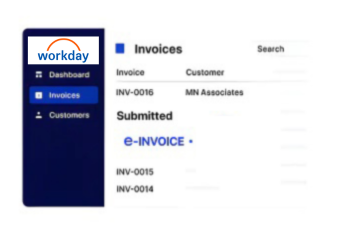
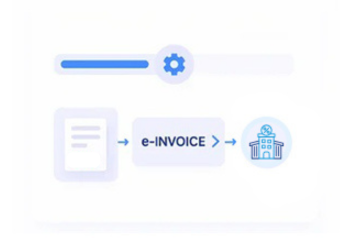
How Workday Financial Activity Reaches Jordan e-Invoicing
- Financial Activity Is Recorded: Customer, supplier, procurement, contract, service, and accounting transactions are created through relevant Workday processes.
- Invoice Events Are Identified: Applicable transactions are selected when billing schedules, services, contracts, or financial activity reach the invoicing stage.
- Source Data Is Consolidated: Customer, supplier, tax, contract, worktag, organizational, and accounting information is gathered from connected Workday records.
- Invoice Information Is Structured: Relevant Workday data is organized according to the requirements applicable to Jordan electronic invoicing.
- Compliance Details Are Reviewed: Required invoice information is checked against applicable Jordanian electronic invoicing requirements before submission.
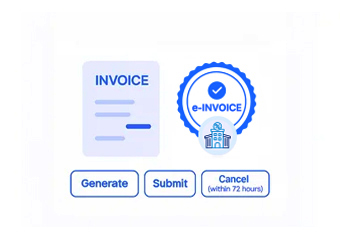
- JoFotara Processing Continues: Validated invoices proceed through JoFotara while originating Workday transaction references remain traceable.
Connecting Workday Financial Transactions With Jordan
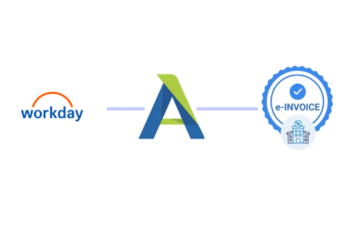
Workday brings finance, procurement, contracts, customers, suppliers, and organizational information into connected business processes. Advintek links eligible Workday transactions with Jordan e-invoicing while preserving the relationships between financial documents and their originating business activities.
- Connects financial transactions with invoices
- Maintains contract and billing context
- Links procurement records with documentation
- Supports multi-entity Workday structures
Managing Workday Across Jordan Invoice
- Contract-to-Invoice Association: Maintains relationships between Workday contracts, billing schedules, customer arrangements, and invoice-producing activities.
- Customer Billing Coordination: Connects customer accounts, billing information, service activity, and financial records when customer transactions generate invoices.
- Supplier and Procurement Linkage: Preserves supplier, purchase order, procurement, and accounting references when purchasing activity contributes to invoice-related documentation.
- Worktag Context Preservation: Retains applicable worktags and organizational references that help identify the financial and operational context behind Workday transactions.
- Accounting Document Alignment: Keeps relevant accounting entries connected with invoice information, supporting reconciliation and financial review within Workday.
- Business Process Traceability: Helps finance teams follow invoice information back through the Workday business processes responsible for generating the underlying transaction.
Workday Capabilities Supporting Jordan e-Invoice Operations
Financial Transaction Validation
Reviews applicable customer, supplier, contract, service, tax, worktag, and accounting information before eligible Workday activity enters invoice processing.
Invoice Source Traceability
Helps finance teams connect electronic invoices with Workday transactions, billing records, contracts, and accounting information behind each document.
Jordan Compliance Coordination
Advintek maintains the Workday integration around applicable Jordanian electronic invoicing and JoFotara processing requirements.
Preserving Workday Financial Context Across Jordan e-Invoices
Workday invoice activity can involve contracts, customers, suppliers, billing schedules, procurement, worktags, and accounting records. Advintek preserves these relationships as eligible information moves into Jordan’s electronic invoicing workflow.
- Preserves contract and billing relationships
- Connects invoices with source transactions
- Maintains worktag and entity context
- Supports finance document verification
Align Compliance With Jordan Invoicing
Extend eligible Workday financial and operational data into structured Jordan e-invoicing workflows.
Connect Workday Transactions With Jordan Electronic Invoicing.
Ready e-Invoice System
Frequently Asked Questions About Workday Jordan e-Invoicing
Can Workday contract information contribute to electronic invoice processing?
Yes. Where contract or agreement-based activity produces an invoice, relevant contractual, customer, service, pricing, and billing information can support the electronic invoice workflow. This helps maintain consistency between Workday contract records and invoice details while providing finance teams with clearer context for reviewing and processing applicable documents.
How does Workday support invoices involving multiple organizational units?
Applicable company, business-unit, department, and organizational references can remain associated with invoice records, helping teams maintain the correct financial context. This supports accurate classification when transactions involve multiple Workday entities, allowing invoice information to remain aligned with the organizational structure and accounting processes used across the business.
Can supplier transactions from Workday procurement enter the invoice workflow?
Relevant supplier, purchasing, procurement, and transaction information can be incorporated when procurement activity contributes to an invoice-producing transaction. This connection helps maintain continuity between Workday procurement records and invoice data, allowing finance teams to reference applicable purchasing information when reviewing documents and managing related invoicing activities.
Are Workday service transactions suitable for electronic invoicing?
Where service activity results in an applicable invoice, relevant customer, contract, service, project, and financial information can be connected with the electronic invoicing process. This allows invoice records to reflect the underlying Workday service activity while helping teams maintain consistent information between operational transactions and associated financial documents.
Can finance teams reconcile Workday invoices with source transactions?
Yes. Relevant source references can remain associated with processed invoices, allowing finance teams to investigate and reconcile documents against originating Workday activity. This can help connect invoice records with contracts, services, procurement transactions, and financial entries, giving teams clearer visibility when reviewing discrepancies or validating invoice information.