

Compliance That Fits NetSuite Users
How Oracle NetSuite Billing Data Enters Jordan e-Invoicing
- Identifying Billable Records: Sales orders, billing transactions, services, subscriptions, and other eligible NetSuite records are selected for invoice processing.
- Collecting Customer Information: Relevant customer, item, tax, fulfillment, and accounting information is gathered from the appropriate NetSuite records.
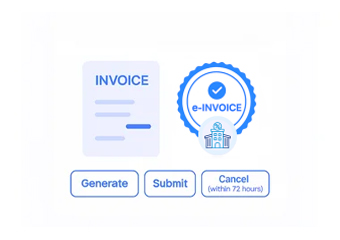
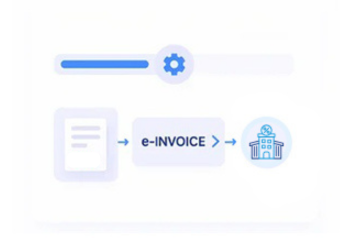
- Preparing the Electronic Document: Selected NetSuite data is organized into the required Jordan electronic invoice structure.
- Performing Compliance Checks: Invoice information is reviewed against ISTD requirements before submission takes place.
- Sending Through JoFotara: Validated documents move through Jordan’s electronic invoicing platform while processing status is monitored.
- Updating Financial References: Completed invoice information remains associated with the originating NetSuite transaction for continued recordkeeping.
Advintek Integration for Oracle NetSuite Cloud ERP Invoicing
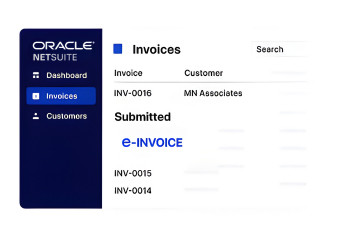
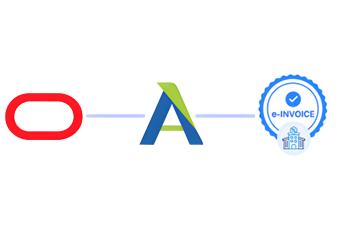
NetSuite unifies sales, finance, inventory, customer, and procurement data within one cloud ERP. Advintek connects eligible transactions with Jordan e-invoicing, preserving source references and financial context throughout processing.
- Processes NetSuite billing transactions
- Connects orders with invoice records
- Preserves subsidiary and customer references
- Supports cloud ERP workflows
How NetSuite Users Simplify Invoice Management Across Their ERP
- Order-Based Billing Automation: Carries completed sales information from NetSuite into invoice workflows without recreating customer transaction details.
- Recurring Billing Coordination: Supports invoice activities associated with subscriptions and ongoing services managed within NetSuite.
- Financial Record Consistency: Keeps invoice information aligned with accounting records and customer transactions maintained in the ERP.
- Fulfillment Documentation Links: Helps finance teams connect invoice documents with relevant item fulfillment and order information.
- Subsidiary-Level Organization: Maintains clearer invoice records for organizations operating through multiple NetSuite subsidiaries.
- Cloud-Based Financial Visibility: Gives teams a connected view of invoice activity alongside the financial records already maintained in NetSuite.
Everything You Need for Jordan E-Invoicing in One Place
Live Validation Feedback
Checks NetSuite customer, transaction, item, and accounting information before the invoice enters the electronic workflow.
Unified Reporting Interface
Helps teams identify the original NetSuite order or billing record associated with each processed invoice.
Compliance Support
Advintek keeps the NetSuite integration aligned with ISTD and JoFotara process requirements.
Keeping Jordan Invoice Records Connected With NetSuite Transactions
NetSuite generates billing information across sales orders, subscriptions, fulfillment, and financial transactions. Advintek connects these sources with Jordan e-invoicing, helping finance teams trace invoices back to their originating ERP activity.
- Links billing records with invoices
- Preserves customer transaction context
- Supports recurring and one-time billing
- Maintains subsidiary-level organization
Activate a Smarter e-Invoicing Workflow Today
Connect NetSuite transactions with Jordan e-invoicing through one streamlined automated workflow.
Advintek also connects CRM, ecommerce, accounting, and business applications for Jordan electronic invoicing.
Ready e-Invoice System
Frequently Asked Questions NetSuite E-Invoicing Jordan
How does NetSuite sales data enter the Jordan invoice workflow?
Advintek can retrieve relevant NetSuite sales information, including orders, customers, items, quantities, pricing, taxes, and billing details. These records are organized for Jordan electronic invoicing while preserving their original NetSuite references, helping finance teams reconcile invoices with the sales transactions that generated them.
Can NetSuite subscription billing support electronic invoice preparation?
Yes. Eligible subscription and recurring billing records from NetSuite can contribute to invoice preparation. Advintek connects customer, service, billing, and financial information with the Jordan e-invoicing workflow, helping organizations maintain continuity between recurring revenue activities and resulting electronic invoice documents.
How does NetSuite fulfillment information relate to invoices?
Relevant NetSuite fulfillment information can remain connected with invoice records during processing. Advintek helps preserve relationships between orders, items, fulfillment activity, customers, and resulting invoices, giving finance teams clearer visibility when reviewing billing documentation or reconciling completed sales transactions.
Can NetSuite subsidiaries maintain their own invoice references?
Yes. Advintek can preserve relevant subsidiary, customer, transaction, and financial references when processing invoices across NetSuite organizational structures. This helps businesses distinguish invoice activity by subsidiary while maintaining consistent Jordan e-invoicing workflows and clearer financial records throughout their cloud ERP environment.
Can NetSuite invoices be traced back to source transactions?
Yes. Advintek maintains relevant relationships between generated invoices and their originating NetSuite records. Finance teams can trace documents to sales orders, billing transactions, fulfillment records, or customer activity, supporting reconciliation, reporting, verification, and easier review of electronic invoice information.